
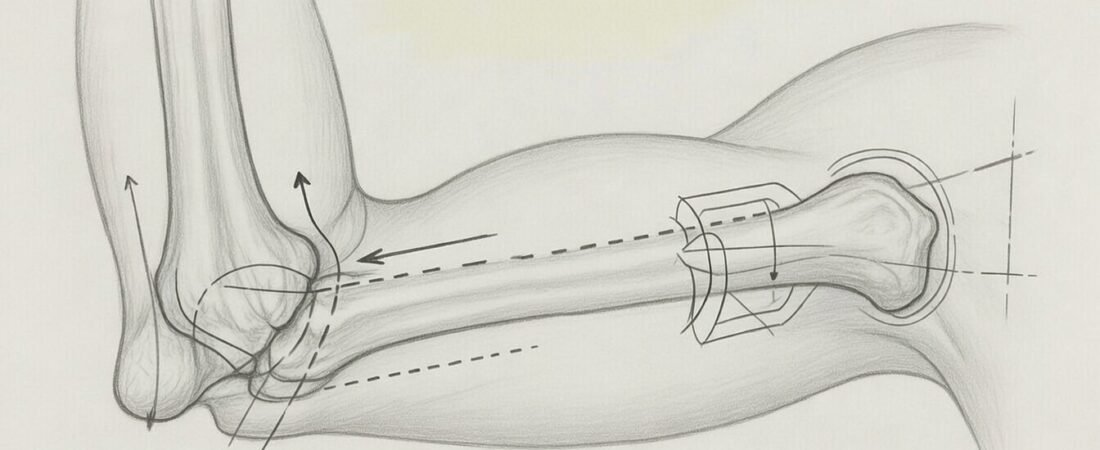
Orthopedic surgery involves a variety of techniques designed to repair, reinforce, or replace damaged musculoskeletal structures. Common procedures include arthroscopy, where a surgeon uses a tiny camera and specialized tools to repair tears in the meniscus or rotator cuff with minimal invasiveness. For advanced joint decay, total joint arthroplasty involves replacing the damaged joint with a high-durability prosthetic made of metal, ceramic, or polyethylene.
In trauma cases, surgeons perform open reduction and internal fixation (ORIF), using plates, screws, or nails to stabilize broken bones. Emerging techniques like Wide-Awake Local Anesthesia No Tourniquet (WALANT) now allow for hand and wrist surgeries to be performed while the patient is awake, reducing anesthetic risk and allowing for real-time testing of tendon repairs.
FAQ
FAQ
A: It varies. Arthroscopic procedures may allow for same-day discharge, while total joint replacements typically involve a few weeks of intensive physical therapy.
A: Most implants are designed to be permanent, but some hardware (like pins or screws) may be removed once the bone has fully healed.