
Latest posts
-
What are the 4 A’s of Orthopedic Surgery?
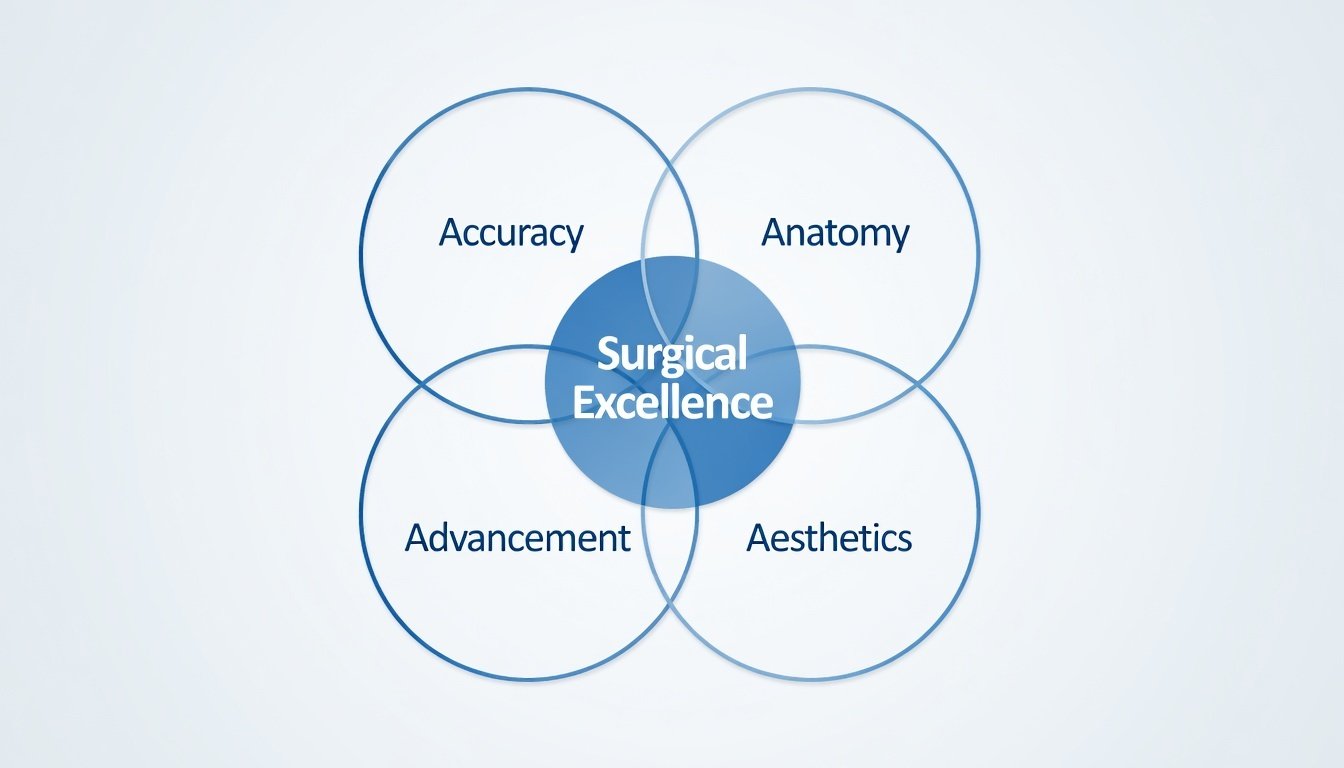
In the world of orthopedic excellence, every successful operation is built upon a fundamental framework known as the 4 A’s: Anatomy, Alignment, Asepsis, and Anesthesia. By mastering these four pillars, orthopedic surgeons provide a level of care that prioritizes long-term success over short-term fixes. This holistic approach ensures that the “mechanical” repair is supported by
-
What is Done in Orthopedic Surgery?
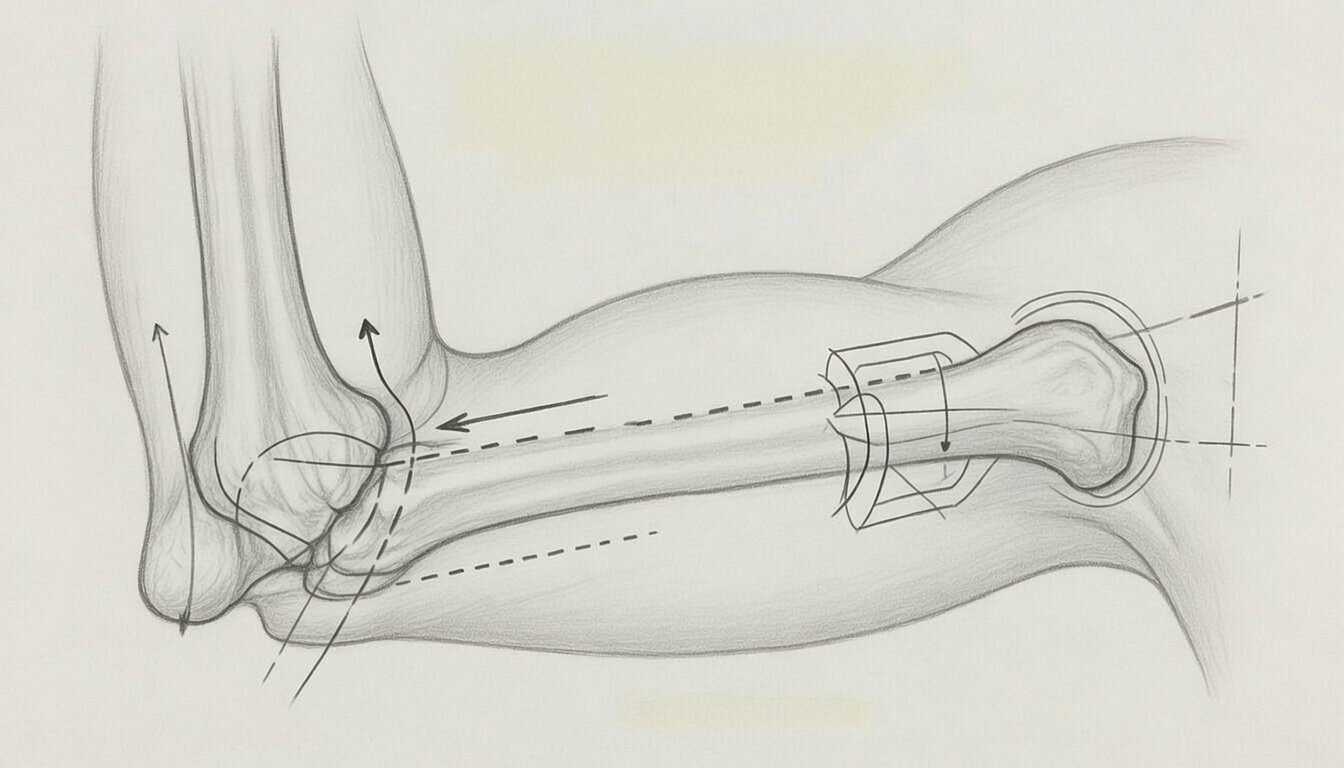
Orthopedic surgery involves a variety of techniques designed to repair, reinforce, or replace damaged musculoskeletal structures. Common procedures include arthroscopy, where a surgeon uses a tiny camera and specialized tools to repair tears in the meniscus or rotator cuff with minimal invasiveness. For advanced joint decay, total joint arthroplasty involves replacing the damaged joint with
-
Why Are We Called Orthopedic SURGEONS?

The title “Orthopedic Surgeon” can sometimes be misleading to patients who assume that a visit will automatically result in an operation. The term “orthopedic” comes from the Greek words orthos (straight) and pais (child), reflecting the field’s early roots in correcting childhood deformities. Today, the designation “surgeon” signifies that the practitioner has completed the highest
-
Why Would Someone Need an Orthopedic Surgeon?

While many associate orthopedics strictly with “broken bones,” the scope of the specialty is far broader, encompassing the entire musculoskeletal system—bones, joints, ligaments, tendons, and muscles. You might need an orthopedic surgeon if you experience persistent pain that does not respond to rest or over-the-counter medication. These specialists are experts in diagnosing conditions that affect