
Revision Knee Replacement
When a knee replacement loosens or feels unstable, revision surgery restores comfort and confidence.
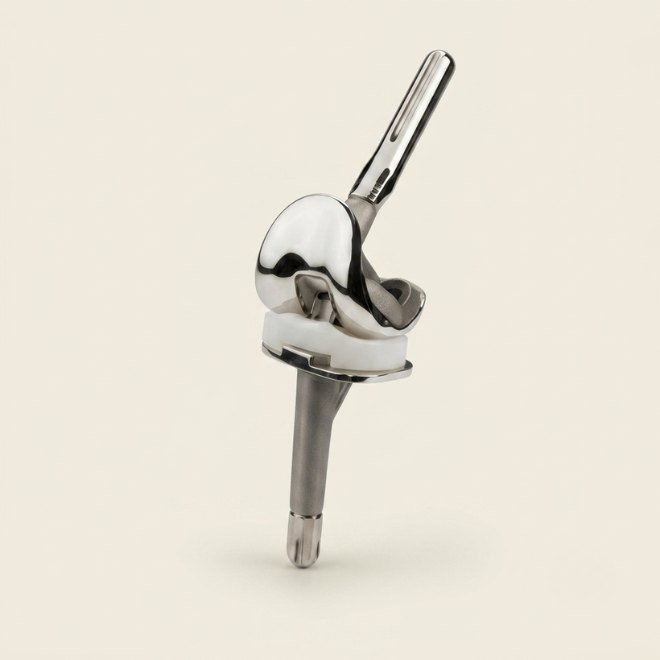
A knee replacement is built to last for decades — but like any hardworking joint, it can eventually loosen, wear, or feel unstable. If your knee replacement no longer feels the way it once did, revision surgery is a well-established way to restore comfort and stability.
Why a knee replacement might need revising
The usual reasons are gradual: the plastic bearing surface slowly wears, or the implant loosens from the bone over many years. Sometimes stiffness, instability, or (less commonly) infection prompts a revision earlier. The common thread is a knee that used to feel reliable and now doesn’t — pain, a feeling of giving way, or swelling that won’t settle.
How revision knee surgery works
The worn or loose components are carefully removed, the bone is assessed and reinforced where needed, and specialised revision implants — often with added stability built in — are fitted. Because every revision knee is a little different, careful planning and imaging beforehand are what make the difference. This is dedicated, specialist work.
What recovery involves
Recovery is a touch more measured than a first-time knee replacement, but the milestones are familiar: walking with support within a day or two, steady physiotherapy, and gradual return to daily activities. Most patients notice their knee feeling more secure and comfortable as the weeks progress.
Questions patients ask
Will my knee feel stable again?
Restoring stability is the whole point of the operation. Revision implants are designed to provide the support a worn or loose knee has lost.
How do I know it’s time?
Persistent pain, a sense of the knee giving way, new swelling, or reduced walking distance are all worth assessing. An X-ray and examination usually clarify things quickly.
Start with a clear assessment
If your knee replacement has changed for the worse, an examination and X-ray will explain why — and outline exactly what can be done to put it right.
This page is for general education and is not a substitute for personal medical advice. Every patient is different — please consult a qualified orthopaedic surgeon about your specific condition.